The global conversation surrounding Artificial Intelligence has moved past the initial phase of awe and excitement. We are now entering the era of governance, where nations are rushing to build fences around this rapidly expanding technology. While the European Union and the United States often dominate headlines regarding AI regulation, significant developments are happening right now in the Asia-Pacific region. In a synchronized wave of policy updates, Australia, China, and South Korea have all made major moves this week that will define how AI is developed, bought, and used in the East.
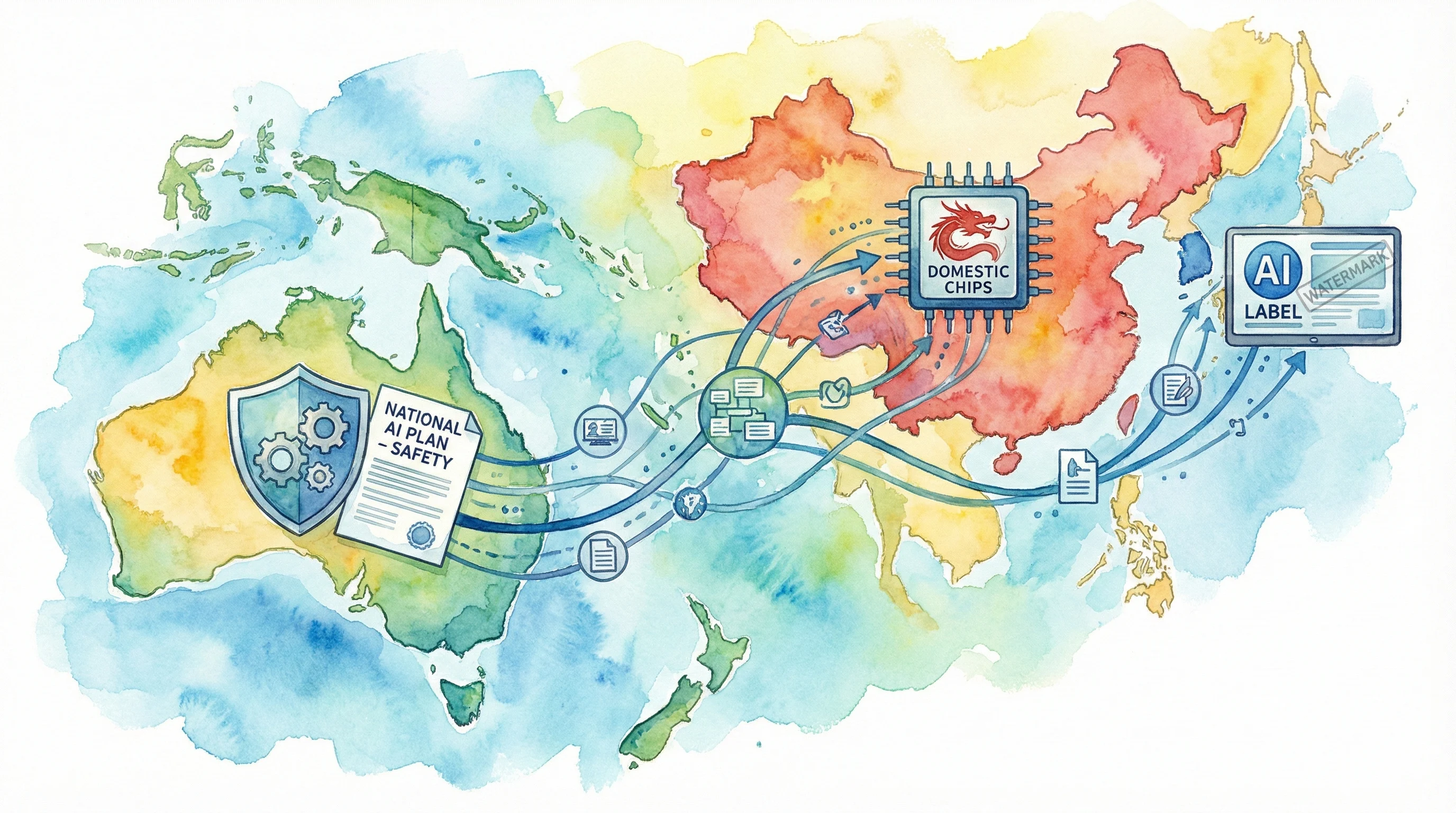
Australia has taken a definitive step by unveiling a national AI plan that focuses heavily on safety and transparency. The Australian government realizes that voluntary codes of conduct are no longer enough for high-risk applications. The new roadmap introduces mandatory guardrails for AI systems used in sensitive areas like healthcare and law enforcement. This is a crucial pivot for Canberra, which had previously taken a "wait and see" approach. The government is trying to balance the need for innovation with public trust. If people do not trust the algorithms making decisions about their loans or medical diagnoses, the technology will never reach mass adoption.
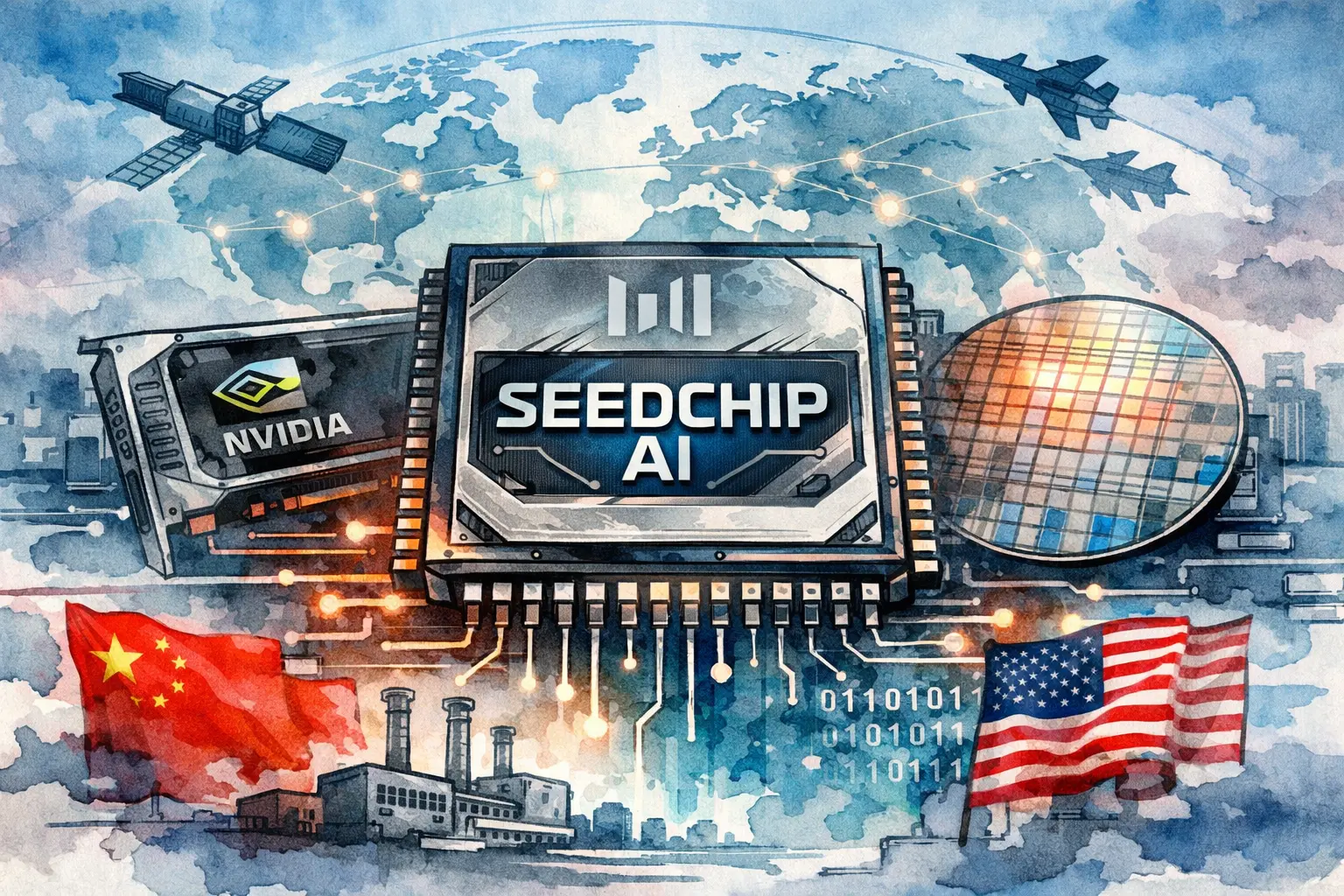
Meanwhile, the story in China is less about software regulation and more about hardware independence. In a significant procurement update, China has added domestic AI chips to its official government purchase lists. This is not just a bureaucratic change; it is a clear signal of the intensifying tech war between Washington and Beijing. By mandating that local governments and state-owned enterprises prioritize Chinese chips over offerings from American giants like Nvidia or Intel, Beijing is forcing the maturity of its own semiconducter industry. It is a bold gamble. While domestic chips might not yet match the raw power of top-tier American hardware, guaranteed government contracts will provide the revenue needed to close that gap.
South Korea is taking a slightly different route by focusing on the consumer experience and misinformation. With their new AI Act set to kick in soon, Seoul is mandating strict content labelling rules. The primary concern here is the proliferation of deepfakes and AI-generated content that looks indistinguishable from reality. Under the new rules, platforms will be legally required to watermark or label AI-generated text, audio, and video. This is particularly timely given the upcoming elections and the general anxiety about how AI influence public opinion.
These three distinct approaches highlight how different nations prioritize their AI strategies. Australia is looking at safety frameworks, China is focused on supply chain sovereignty, and South Korea is tackling the social impact of synthetic media. For the rest of the world, these moves serve as a laboratory. We will soon see which approach yields the best results: heavy regulation, state-sponsored hardware support, or strict consumer transparency. As these policies go into effect, the tech industry will have to navigate a fragmented landscape where the rules of the game change the moment you cross a border.

No Comment Yet.
Stay informed with breaking news, trending stories, and in-depth analysis.