
Building the Future on First Principles: An Interview with Dr. Chetan C J
| Rahul P.
While the technology sector in India has gained global recognition in the software domain, the hardware and product engineering segments still need to take significant strides forward. It is a harsh reality that many machines available in the market today are merely copies of existing foreign designs or the results of reverse engineering, rather than being born out of fundamental research. For a product to be durable and provide a solution to a real problem, a strong scientific foundation is essential behind it.
Before any technology takes shape, the questions of 'why' and 'how' must be answered through fundamental science. It is only when equations of physics, chemistry, and mathematics are applied to engineering that precise results can be achieved. This First Principle approach is the only way for our domestic manufacturing sector to become truly self-reliant. However, practically speaking, there remains a massive gap between the research that happens in laboratories and the production that takes place in factories.
CA Labs is an organization working to bridge this gap, operating under the principle of Science and Only Science. Developing simple yet scientific solutions for complex problems in agriculture, food processing, and pharmaceutical sectors is one of the urgent needs of the hour. The major challenge in this field is to maintain sustainability and precision, rather than manufacturing machines solely for commercial profit.
Building a hardware ecosystem in India is not an easy task. The shortage of skilled artisans, variations in the quality of raw materials, and a lack of research mindset are major issues haunting entrepreneurs. To overcome these hurdles, capital alone is not enough; immense patience and continuous training are required.
The education system also needs to pivot, preparing students not just for examinations but for problem-solving skills. The next generation of technologists can only be shaped when there is a continuous dialogue between the industry and the academic world.
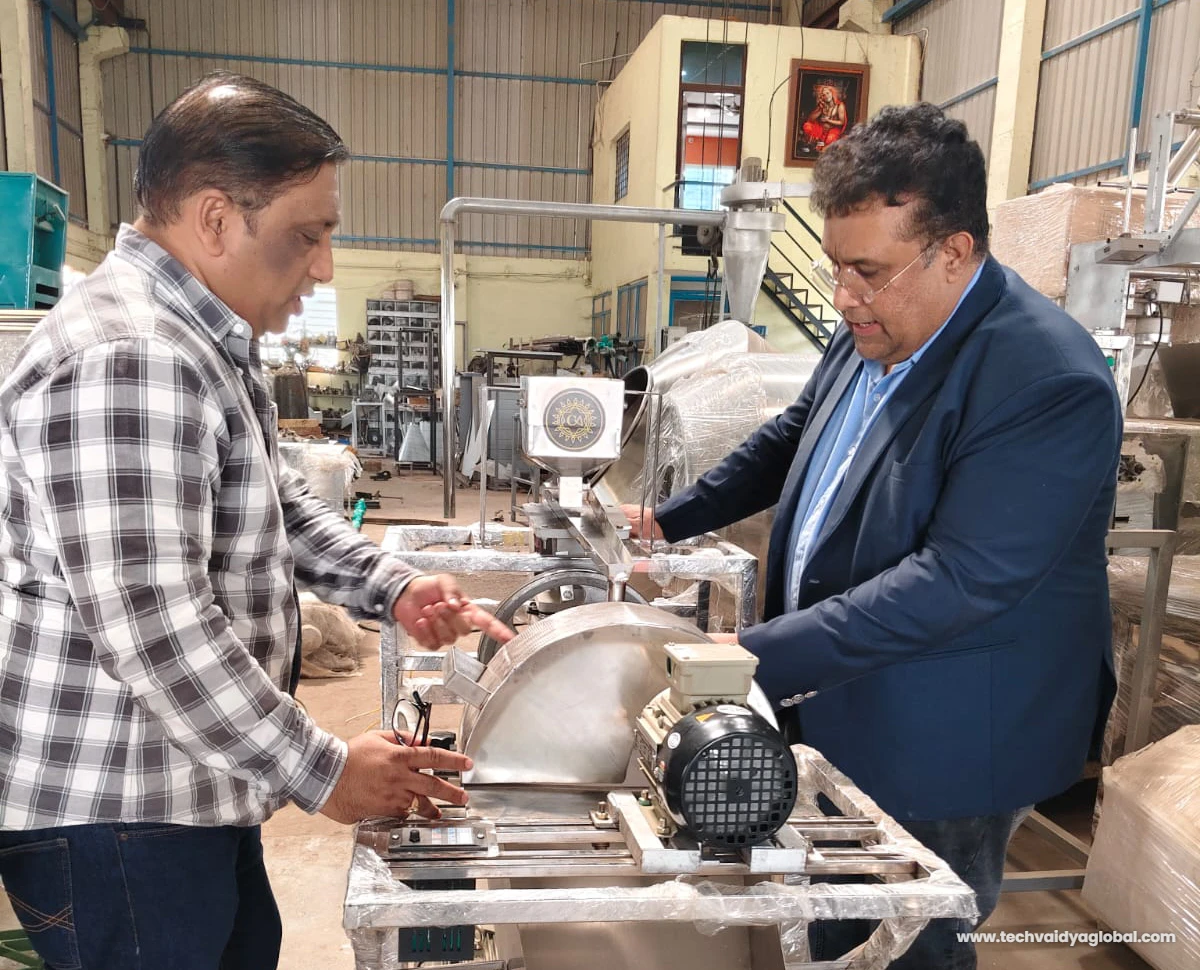
Against this backdrop, Dr. Chetan C J, Founder of CA Labs, who has been involved in research and product development for over two decades, spoke with Tech Vaidya. Here are his insights on science-based manufacturing, the challenges of the Indian hardware sector, and the future of technology.

Rahul P.: Can you briefly introduce yourself and explain your role at CA Labs?
Dr. Chetan C J: I am Dr. Chetan C J, the founder of CA Labs. I oversee research and development alongside operational activities. Our work spans food, pharmaceutical, and metals engineering, and more recently, we have expanded into biomass-related technologies. At CA Labs, my primary responsibility is driving new product development, process innovation, and technology design, all supported by a team of highly specialized domain experts.
Rahul P.: CA Labs emphasizes Science and only science. What does this philosophy mean in your day-to-day products and technology?
Dr. Chetan C J: Many products in the market are developed by replicating existing designs without a full understanding of their purpose. When foundational principles are ignored, the product often fails to address the real need. At CA Labs, we begin by asking why, and that answer always lies in fundamental scientific principles. Engineering becomes the bridge, and technology is the outcome. Whether it is physics, chemistry, or biology, every solution we build is rooted in a core scientific understanding, which ensures stability, sustainability, and reliability.
Rahul P.: With over two decades of experience, how has your approach to science and technology evolved?
Dr. Chetan C J: My curiosity regarding science began during my school years, particularly in physics and mathematics. I was always interested in understanding how things worked beyond the scope of examinations. Over time, this curiosity matured into a structured scientific approach. Through engineering and research, science gradually transformed into applied technology, especially in the life sciences and biotechnology domains. That progression has deeply shaped how I approach problem-solving today.
Rahul P.: Can you explain one of your core products in simple terms for our readers?
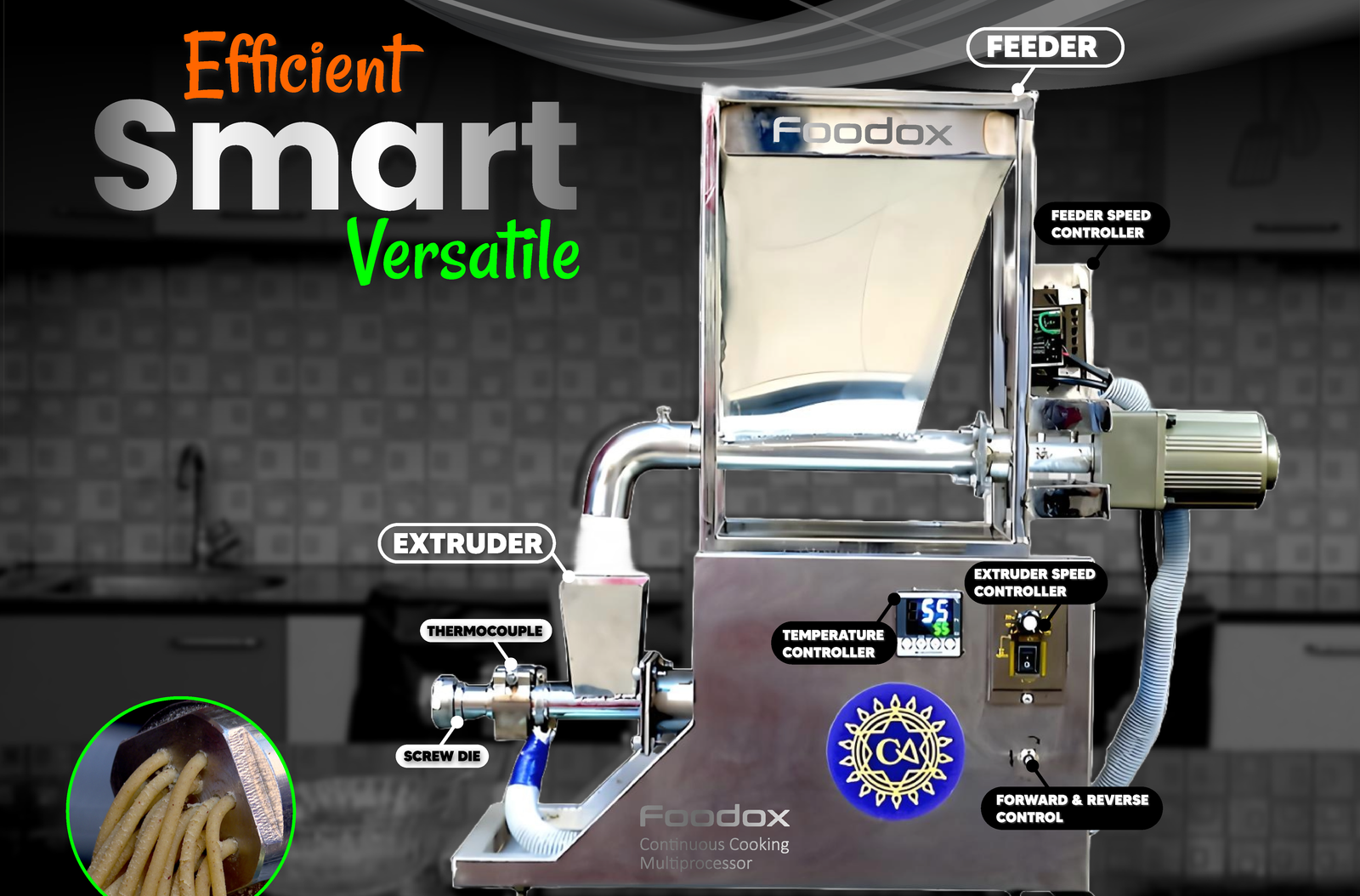
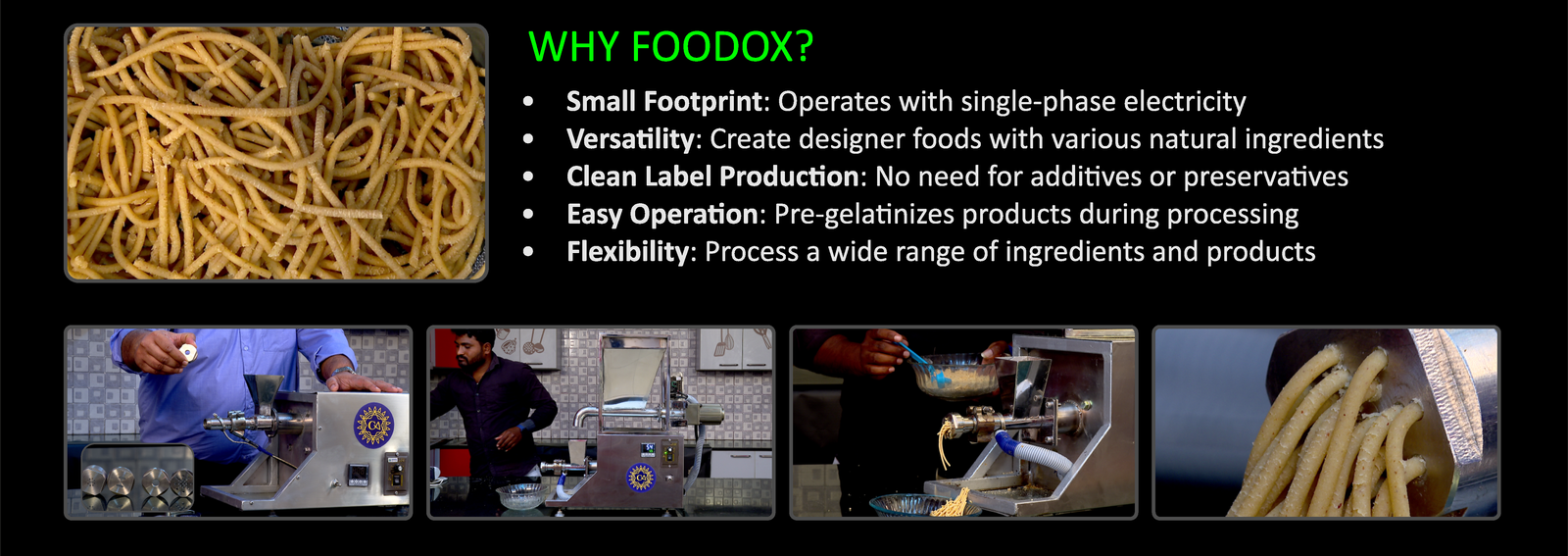
Dr. Chetan C J: One of our key innovations is FoodoX, which is better described as a processing technology rather than a single-purpose machine. It enables continuous operations where materials are processed through controlled zones without interruption. FoodoX can perform multiple functions such as mixing, homogenization, solid-liquid separation, flavor encapsulation, gelatinization, evaporation, oil separation, and the reduction of anti-nutritional factors in food grains. It is also applicable in pharmaceutical processing and biomass recycling. Our goal is to offer a single, integrated solution instead of multiple standalone machines.

Rahul P.: What scientific principles form the foundation of your product and process design?
Dr. Chetan C J: Our designs are driven by applied physics and mathematical modeling. We describe processes using systems of equations to understand energy transfer, material behavior, and process dynamics. When design decisions are governed by mathematics and physics, the outcomes become predictable and consistent. This approach allows us to deliver robust and efficient solutions.
Rahul P.: What problems are you trying to solve through these products?
Dr. Chetan C J: There is often a significant gap between laboratory research and real-world industrial application. Research tends to remain confined to publications, while fabrication and manufacturing often operate without deep scientific insight. Our focus is to translate research into engineering solutions bridging science, application, and industry so that technology genuinely serves the end user rather than existing purely for commercial margins.
Rahul P.: How do your technologies reduce manual dependency while maintaining precision and reliability?
Dr. Chetan C J: Our systems are designed with advanced automation and human-machine interfaces. Controlled operations ensure consistency and minimize human error. By integrating electronics and control systems, we achieve a level of repeatability and precision that manual processes simply cannot reliably deliver.
Rahul P.: What challenges did you face while developing science-driven hardware solutions in India?
Dr. Chetan C J: One of the biggest challenges was building a reliable ecosystem finding skilled technicians, electronics experts, and material suppliers capable of executing complex designs. Ideas alone are not sufficient; execution requires a strong and aligned support system. Developing this ecosystem took considerable time and effort.
Rahul P.: How did you overcome these challenges?
Dr. Chetan C J: Training, close collaboration, and continuous mentoring were key. Building morale and helping people refine their skills made a significant difference. It took nearly a year and a half to develop an ecosystem capable of delivering the level of quality we envisioned. Persistence and consistency were critical throughout this phase.
Rahul P.: How do your technologies address sustainability aspects such as energy efficiency and waste reduction?
Dr. Chetan C J: We place a strong emphasis on energy engineering and sustainability. Wherever possible, we use renewable energy sources such as biogas, biomethanation, and solar power. Our process designs ensure that only the required amount of energy is supplied, avoiding unnecessary losses. We also focus on waste reduction and recycling, including converting organic waste into fuel pellets to support circular energy usage.
Rahul P.: What technologies do you use to optimize energy usage and reduce overheating?
Dr. Chetan C J: We use computational mechanics and mathematical modeling to precisely estimate energy requirements. By simulating physical behavior, we minimize energy dissipation and operate within narrow error margins, ensuring optimized and efficient processes.
Rahul P.: CA Labs focuses on strengthening education and scientific thinking. How can the industry contribute meaningfully?
Dr. Chetan C J: The industry must actively engage with academia through lectures, workshops, and mentorship. Education should go beyond examinations and focus on problem-solving, critical thinking, and real-world application. Learning is ultimately about preparing individuals to overcome challenges, not just achieve academic scores.
Rahul P.: How do you see science-based manufacturing shaping Indias future?
Dr. Chetan C J: Human capital is Indias greatest strength. To build a scientifically advanced nation, young minds must be trained to be industry-ready and solution-oriented. Education systems should emphasize application, innovation, and entrepreneurship. This approach will strengthen national productivity and economic growth.
Rahul P.: How do you attract and retain scientific talent in a competitive ecosystem?
Dr. Chetan C J: Collaboration plays a vital role. No organization can possess every skill internally. By engaging in conferences, workshops, and collaborative platforms, we build a symbiotic ecosystem where strengths complement each other. This environment naturally attracts and retains talent.
Rahul P.: What message would you like to give young technology enthusiasts and professionals?
Dr. Chetan C J: Young professionals should focus on developing problem-solving abilities and becoming industry-ready. Examinations are important, but real learning comes from applying knowledge to solve practical problems. Experience gained through building and creating is what ultimately shapes a meaningful career.
(Sponsored)

No Comment Yet.
Stay informed with breaking news, trending stories, and in-depth analysis.

