As the years advance and the candles on the birthday cake multiply, the spirit often remains youthful even if the body begins to signal the need for a slower pace. For seniors who have spent decades navigating the roads behind the wheel of a car or riding a heavy motorcycle, the transition to a more sedentary lifestyle can be jarring. Managing the weight of a heavy vehicle, finding balance in stop-and-go traffic, or wrestling a bike onto its center stand becomes increasingly difficult. Beyond the physical exertion, the bureaucratic maze of the Department of Motor Vehicles, with its vision tests, license renewals, and registration fees, can turn the simple joy of driving into a stressful chore. Consequently, many seniors reluctantly surrender their keys, trading their independence for a reliance on family members or ride-share apps.
However, the desire for autonomy does not diminish with age. The simple pleasure of visiting a local park, picking up a few items from the grocery store, or meeting friends at a community center should not require scheduling a ride or waiting on someone else's timeline. For the aging population, and even for those who simply prefer a stress-free commute without the anxiety of high-speed traffic, the rise of low-speed electric scooters offers a refreshing solution. These vehicles, often straddling the line between a bicycle and a moped, have carved out a unique niche in the United States transportation market, offering a legal and practical way to stay mobile without the red tape.
In many parts of the United States, specific classes of low-speed electric vehicles (LSEVs) and electric bicycles are exempt from the stringent requirements applied to standard automobiles. While laws vary slightly from state to state, generally, electric scooters that have a top speed capped at around 20 miles per hour and a motor under 750 watts are often classified similarly to bicycles. This means that in many jurisdictions, you do not need a valid driver's license, vehicle registration, or a license plate to operate them. This regulatory freedom opens the doors for seniors to regain their mobility without fear of failing a DMV vision test or navigating complex paperwork.
One of the most significant advantages of these modern electric scooters is their manageable weight and ease of handling. Unlike a gas-powered moped or motorcycle that can weigh upwards of 200 pounds, many low-speed electric models are designed with lightweight frames and materials. This reduction in weight makes it far easier for a senior citizen to maneuver the bike while walking it out of a garage or parking it on a sidewalk. Furthermore, many models designed for the US market, such as those from brands like E-Wheels or specialized mobility scooters, come with three wheels, eliminating the need to balance altogether and removing the fear of tipping over at a stoplight.
The speed limitation of these vehicles is actually one of their greatest safety features for the elderly demographic. High-speed highways are not the natural habitat for a relaxed senior lifestyle; instead, the local neighborhood streets and bike lanes are where life happens. A top speed of 15 to 20 miles per hour is perfectly adequate for running errands within a five-mile radius. At this pace, the rider maintains full control, reaction times are less critical than at highway speeds, and the risk of severe injury is significantly reduced. It turns the commute into a leisurely cruise rather than a high-stakes race.
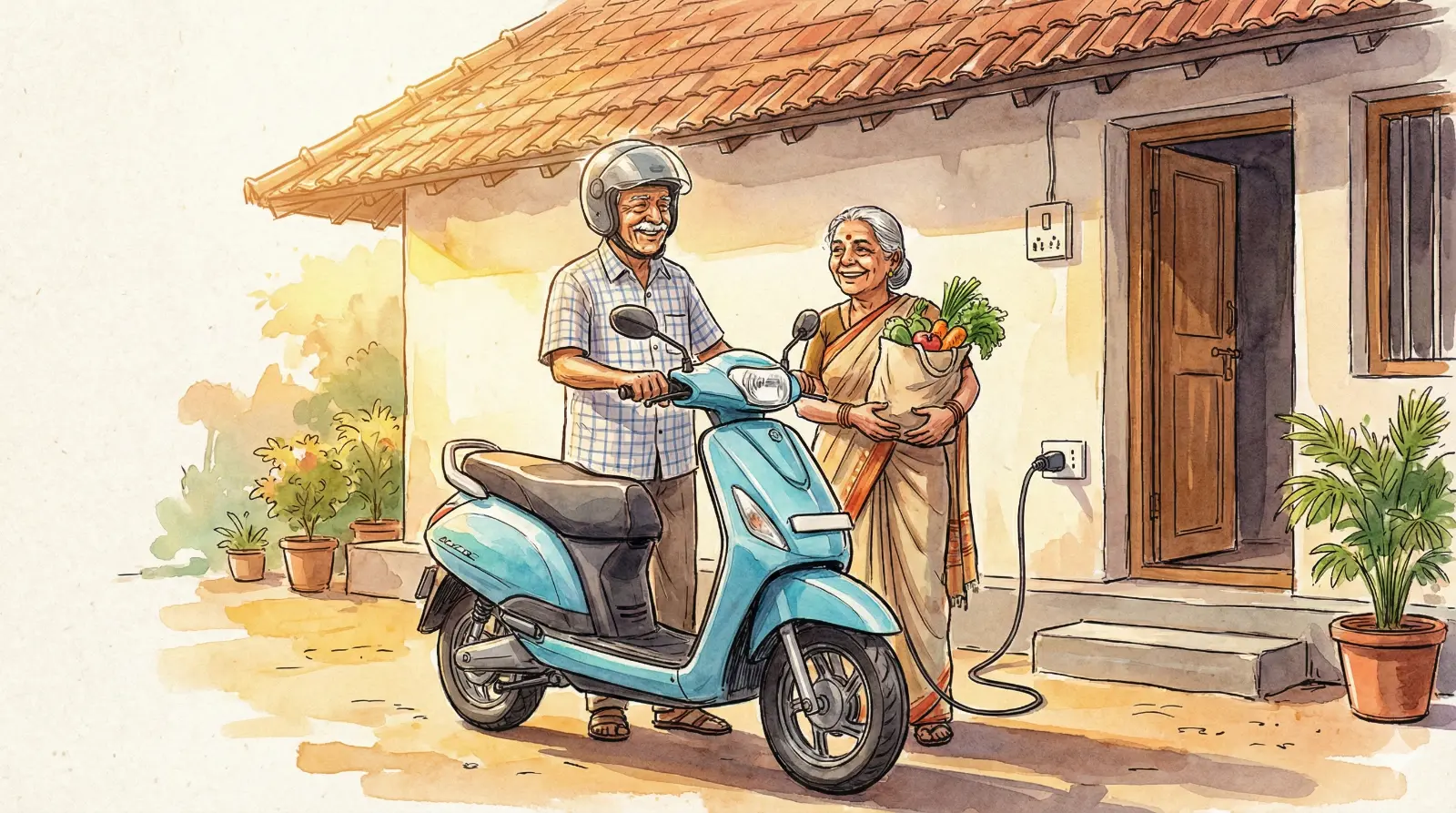
Technological advancements in battery technology have further enhanced the convenience of owning an electric scooter. Most modern scooters utilize Lithium-Ion batteries, which are lighter and more efficient than the older lead-acid versions. A key feature found in many models is the removable battery pack. For seniors living in apartment complexes or condos where street-level charging is not available, being able to detach the battery and charge it inside the home via a standard 110V wall outlet—much like a laptop or smartphone—is a game-changer. It eliminates the range anxiety and the logistical headache of finding a charging station.
From an economic perspective, switching to a low-speed electric scooter is a prudent financial move, especially for those on a fixed retirement income. With gas prices fluctuating unpredictably, the cost of charging an electric scooter is pennies on the dollar. A full charge, which typically costs less than twenty cents in electricity, can provide a range of 20 to 40 miles depending on the model. There are no trips to the gas station, no oil changes, and no expensive transmission repairs. The simplicity of the electric motor means there are fewer things that can go wrong, translating to substantial savings over time.
Maintenance is another area where these vehicles shine. Internal combustion engines are complex machines with pistons, spark plugs, and fuel injectors that require regular servicing. In contrast, an electric scooter essentially consists of a battery, a motor, and a controller. The maintenance checklist is usually limited to checking tire pressure and ensuring the brakes are functioning correctly. For a senior citizen who wants a "turn key and go" experience without the hassle of scheduling mechanic visits, this reliability is invaluable.
Beyond the practical and financial benefits, the impact on mental health cannot be overstated. Isolation is a silent epidemic among the elderly. The ability to leave the house at will, feel the breeze, and interact with the neighborhood provides a massive psychological boost. It transforms a day of sitting at home into a day of possibilities. Whether it is visiting the local library or just taking a ride to enjoy the autumn foliage, the scooter becomes a tool of empowerment, erasing the feeling of being a burden on others for transportation.
The US market offers a variety of options tailored specifically to this demographic. Brands like E-Wheels produce recreational scooters that look like stylish mopeds but offer the stability of three wheels and plush seating with armrests. The Razor EcoSmart Metro is another popular, affordable option that offers a seated experience with a basket for cargo. For those who need something more robust, "mobility scooters" that are road-legal in bike lanes offer features like reverse gears, anti-theft alarms, and integrated sound systems. Unlike the purely medical-looking wheelchairs, these scooters have a sporty aesthetic that appeals to the rider's sense of style.

While the "no license" aspect is appealing, safety remains a priority. Even though a license might not be mandatory, wearing a DOT-approved helmet is strongly recommended and, in some states, required. Seniors utilizing these vehicles should stick to bike lanes or low-traffic residential streets and avoid major arteries. Visibility is also key; many US models come equipped with full lighting systems, including turn signals and brake lights, which are essential for communicating with other drivers on the road.
Insurance considerations differ from standard auto policies. While not always legally mandated for low-speed electric scooters (depending on the state's classification of the vehicle), obtaining a liability policy is a wise decision. These policies are generally very affordable and protect the rider's assets in case of an accident involving a pedestrian or another vehicle. Furthermore, for those with limited mobility, some costs associated with specific types of mobility scooters might even be partially covered by Medicare or private insurance if a doctor deems it a medical necessity.
When looking to purchase, it is vital to consider after-sales support. Unlike buying a toaster, a scooter may eventually need a new tire or a brake adjustment. Buying from a reputable US-based dealer who offers a warranty and has a network of service centers is preferable to ordering a generic model directly from overseas. Checking the warranty on the battery is particularly important, as it is the most expensive component of the vehicle.
In conclusion, low-speed electric scooters are more than just a mode of transport; they are a ticket to extended independence for the senior population. They bridge the gap between walking and driving, offering a safe, economical, and enjoyable way to navigate the golden years. As cities in the US become more bike-friendly and conscious of alternative transportation, these vehicles are set to become a common sight in retirement communities and suburbs alike.
If you have an aging parent who is struggling with mobility or giving up their car, consider a low-speed electric scooter as a meaningful investment in their quality of life. It is a gift of freedom that requires no license, burns no gas, and brings the world back to their doorstep. The revolution in senior mobility is quiet, electric, and moving at a comfortable 15 miles per hour.

No Comment Yet.
Stay informed with breaking news, trending stories, and in-depth analysis.