| EnVee
Imagine this scenario: You are browsing a travel website, looking for flights for your upcoming vacation. You find a decent price, but just as you are about to click 'Book', a red flashing timer appears. "Only 2 seats left at this price!" it screams. Panic sets in. Your heart rate goes up slightly. You rush through the checkout process, skipping the fine print, just to secure that deal.
Congratulations, you have just been played.
That urgency wasn’t real. It was a carefully coded script designed to bypass your logical brain and trigger your fear of missing out (FOMO). In the tech world, this is called a Dark Pattern. And in 2026, it is the invisible pandemic infecting almost 97% of the internet.
What Exactly Are Dark Patterns? The term was coined back in 2010 by UX specialist Harry Brignull. He defined dark patterns not as bad design, but as evil design. These are user interfaces crafted with a specific purpose: to trick you into doing things you didn't mean to do, like buying insurance you don't need or signing up for newsletters you'll never read.
It’s not a mistake; it’s a strategy.
The Dirty Dozen: How They Trap You
While there are many types, here are the ones you likely encounter every single day without realizing it:
1. The Roach Motel
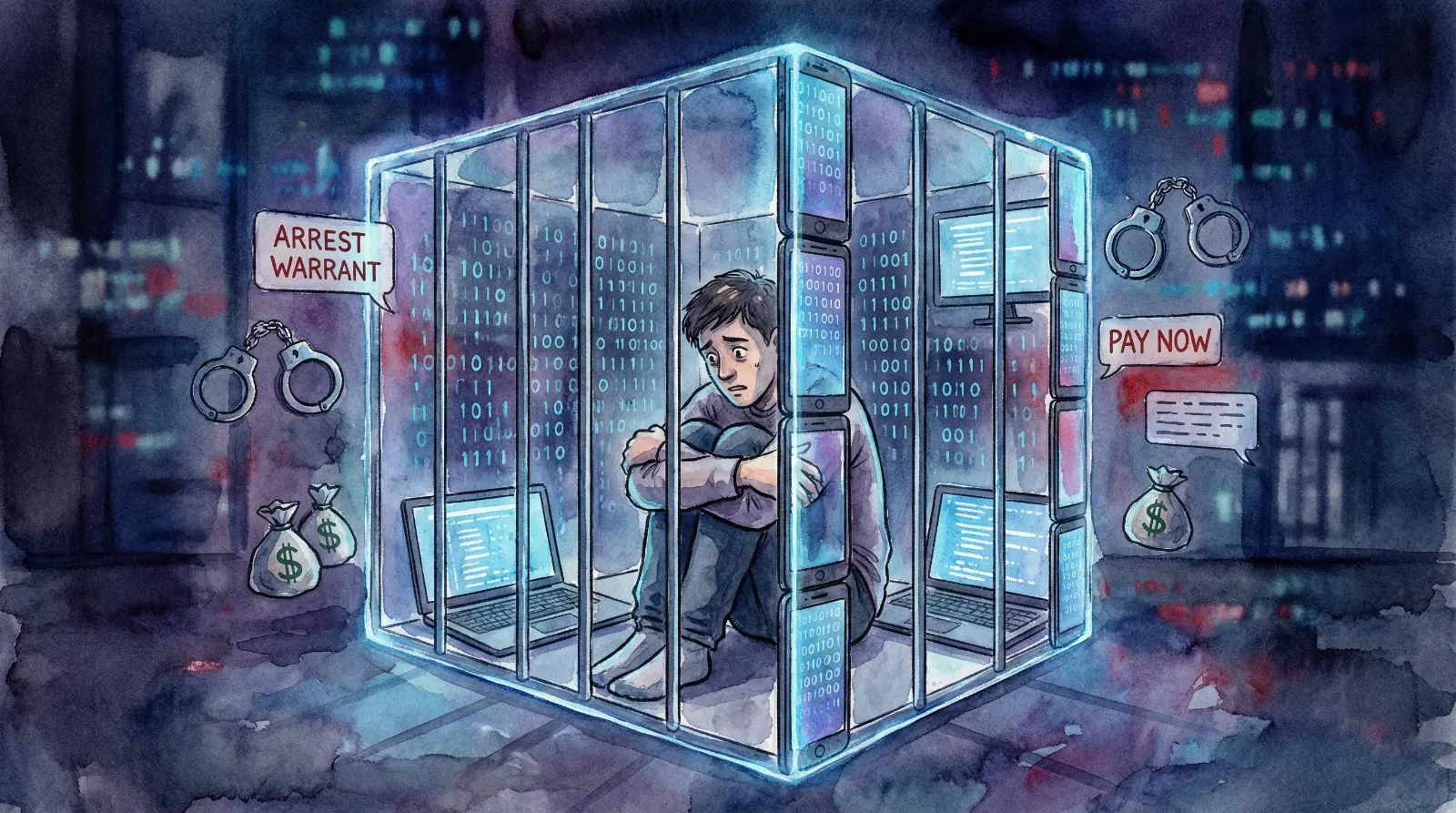
This is the most notorious trap. Just like the insect trap, it is incredibly easy to get in, but almost impossible to get out.
Example: Signing up for Amazon Prime or a New York Times subscription takes one click. But try cancelling it? You have to navigate a maze of six different pages, answer surveys, and sometimes even call a phone number during business hours.
2. Confirmshaming
This is emotional blackmail built into buttons.
Example: You see a popup offering a discount in exchange for your email. The decline button doesn't say "No thanks." It says something humiliating like, "No, I prefer paying full price because I hate saving money." It forces you to insult yourself to opt-out.
3. Sneak into Basket
This is widespread in e-commerce. You add a laptop to your cart, but when you reach the checkout, the price is higher. Why? Because the site suddnly added a ₹2,000 "Protection Plan" or a donation to your basket without asking. You have to manually remove it—if you notice it.
4. Privacy Zuckering
Named after Mark Zuckerberg, this pattern tricks you into sharing more private info than you intended. It is often buried in confusing "Data Settings" where the language is so complex that you just click "Accept All" to make the popup go away.
5. Forced Continuity
The classic "Free Trial" trap. They ask for your credit card for a free month. You forget about it. When the month ends, they dont send a reminder; they just start charging you silently.
The Global Crackdown: US and EU Are Fighting Back
For years, tech giants operated in a legal grey area. But the tide is turning.
In the United States, the Federal Trade Commission (FTC) has declared war on deceptive design. The landmark $2.5 billion settlement with Amazon over its Prime cancellation process (the 'Iliad' flow) sent shockwaves through Silicon Valley. The message was clear: You cannot hold users hostage.
In Europe, the Digital Services Act (DSA) and the AI Act have made specific dark patterns illegal. The European Data Protection Board (EDPB) is now strictly monitoring how platforms like Meta use "Consent Fatigue" to steal user data for AI training.
Even in India, the CCPA (Central Consumer Protection Authority) has issued guidelines banning 13 specific dark patterns. However, enforcement remains a challenge, with a recent survey showing nearly 80% of Indian apps still using these tricks.
Why It Matters to Your Wallet and Mental Health
It’s not just about losing a few dollars on an accidental subscription. The impact is deeper.
Financial Loss: Studies from the University of Chicago suggest that aggressive dark patterns can increase unwanted subscriptions by 400%.
Mental Fatigue: Constantly fighting against manipulative interfaces causes "decision fatigue." It drains your cognitive energy, making you more likely to give up and just pay.
How to protect Yourself
The internet is a minefield, but you don't have to be a victim.
Slow Down: Artificial urgency is the enemy of good decisions. If a timer is counting down, pause. It’s usually fake.
Read the Grey Text: The option you want (like "Reject All Cookies" or "Skip Trial") is often greyed out or hidden in small text at the bottom.
Use Tools: Browser extensions like Privacy Badger or ad blockers can disable some of these tracking elements.
Dark patterns rely on our thoughtlessness. The moment you start noticing them, their power over you breaks. Stay sharp.

No Comment Yet.
Stay informed with breaking news, trending stories, and in-depth analysis.