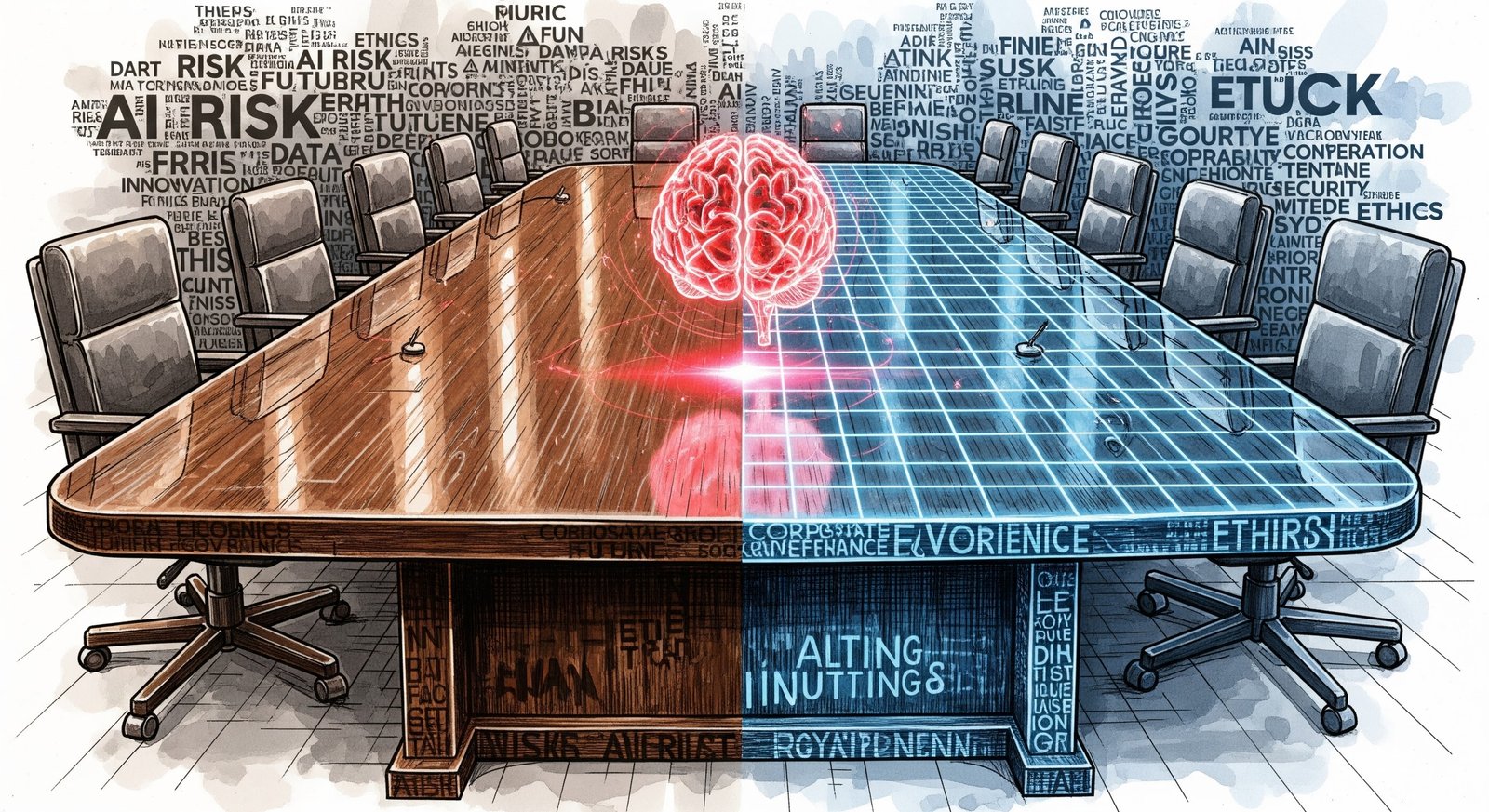
For the last few years, the tech world has been running a race. The goal was simple: adopt Artificial Intelligence (AI) as fast as possible or get left behind. But now, it seems like the runners are finally looking down at their shoes to make sure laces are tied. According to the World Economic Forum’s (WEF) newly released Global Cybersecurity Outlook 2026, the corporate mindset is shifting from blind excitement to cautious adoption.
The report, released this January, highlights a very important statistic that tell us how the industry is feeling. It says that 64% of companies now conduct a cybersecurity risk assessment before they deploy any AI technology. This is a massive improvement compared to previous years where speed was the only thing that mattered.
The Rising Tide of Vulnerabilities
Why the sudden caution? because the threats are becoming very real. The WEF report points out that 87% of organizations have reported an increase in AI-related cyber vulnerabilities in the past year. This is not just a small glitch here and there. We are talking about serious security gaps.
When companies rush to bring in generative AI tools for coding, marketing, or customer service, they often open doors they didn't know existed. Hackers are smart, and they are using AI too. They use it to write better malware, create deepfakes to fool employees, and automate attacks. The report makes it clear that AI-related risks are the fastest growing category of concern for security leaders across the globe.
A Double-Edged Sword
What is interesting is that business leaders know they cannot just stop using AI. In fact, 94% of leaders believe that AI will be the biggest driver of cybersecurity changes in 2026. This create a weird situation. You need AI to defend against attacks, but using AI brings its own risks.
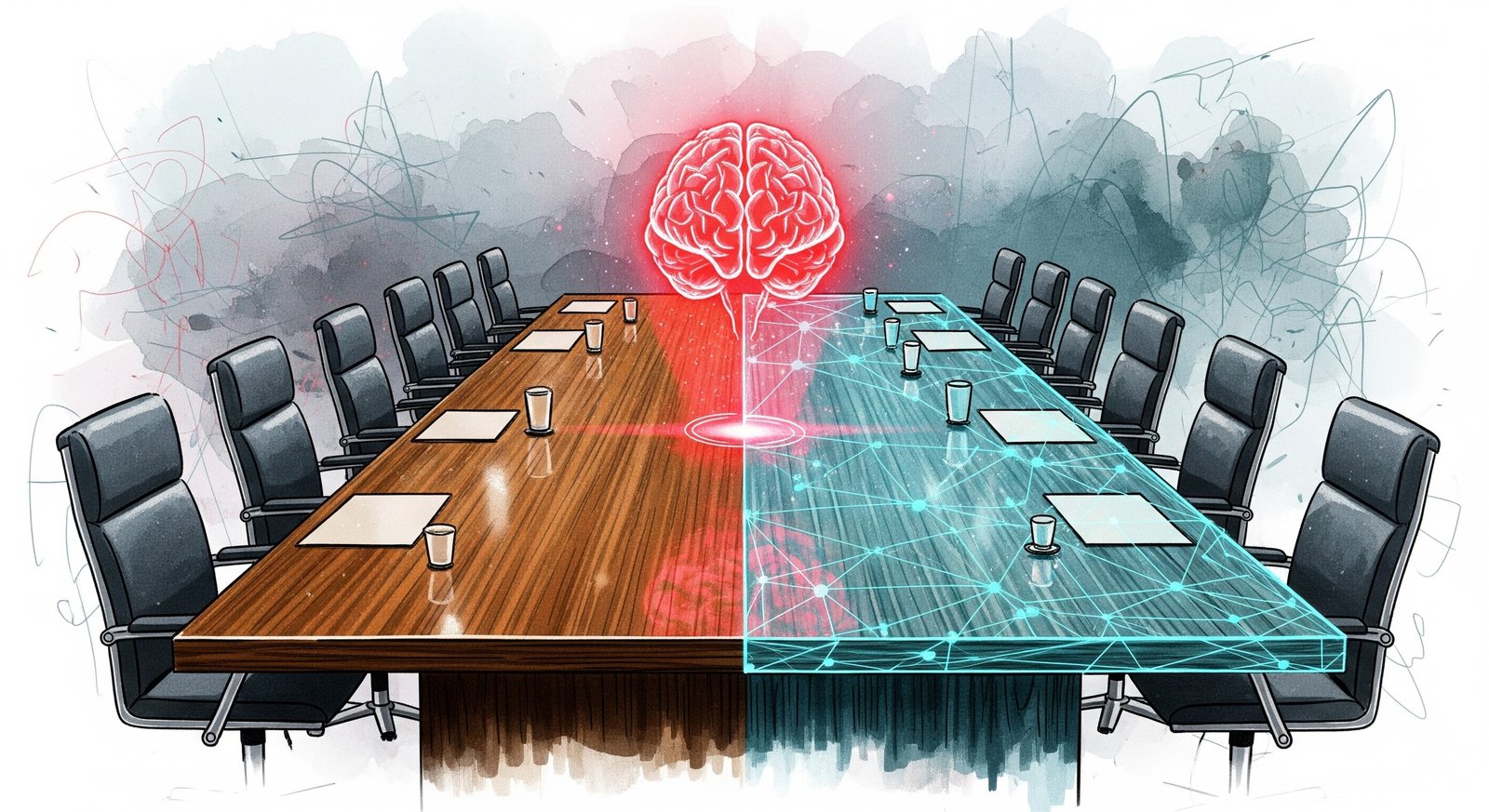
The report calls this the "AI paradox." On one hand, defenders are using AI to detect threats faster than any human can. On the other hand, attackers are using it to find weak spots. It is a constant cat and mouse game, and right now, the mouse is getting bigger.
Geopolitics and the Human Element
The report also warn about the mix of AI and global politics. With geopolitical tensions rising, state-sponsored hackers are using AI to disrupt businesses and critical infrastructure. The barrier to entry for cybercrime has lowered alot because of these tools. Now, you don't need to be a coding genius to launch a cyber attack; you just need the right AI tool.
Furthermore, the "human error" factor is still huge. Even with the best AI defense, if an employee clicks on a phishing link that was perfectly crafted by a bot, the system is compromised. The WEF emphasizes that technology alone cannot save us; we need better training and awareness.
What Should Businesses Do?
The experts at WEF suggests a few things for the coming year. First, risk management teams need to be involved from day one, not after the software is installed. Second, companies need to focus on "resilience." It is not about if you get hacked, but how fast you can recover.
The fact that 64% of CEOs are now prioritizing risk assessment is a good sign. It shows that the market is maturing. We are moving away from the "hype cycle" into a phase of "responsible reality."
For businesses in India and around the world, the message from 2026 is clear: Innovation is great, but safety comes first. If you are adopting AI without checking the locks on your digital doors, you are inviting trouble.
Source: World Economic Forum Global Cybersecurity Outlook 2026 (January 2026)

No Comment Yet.
Stay informed with breaking news, trending stories, and in-depth analysis.